
How to Withdraw Satoshi Nakamoto Coins Listed on Binance: A Step-by-Step Guide
In recent weeks, the cryptocurrency community has been buzzing with speculation after an alleged token linked to the name "Satoshi Nakamoto" was supposedly listed on Binance, the world’s largest crypto exchange. Many users are now searching for practical withdrawal methods. This article provides a clear breakdown of how to handle such a situation, focusing on security, wallet compatibility, and exchange procedures.
First, verify the listing. Binance frequently lists new tokens, but not every project using the "Satoshi" name is officially endorsed. Check Binance’s official announcements, listing page, or the token’s smart contract address on a blockchain explorer like Etherscan or BscScan. If the token is real, you will see its ticker, contract address, and network (e.g., BEP-20 on BNB Chain or ERC-20 on Ethereum).
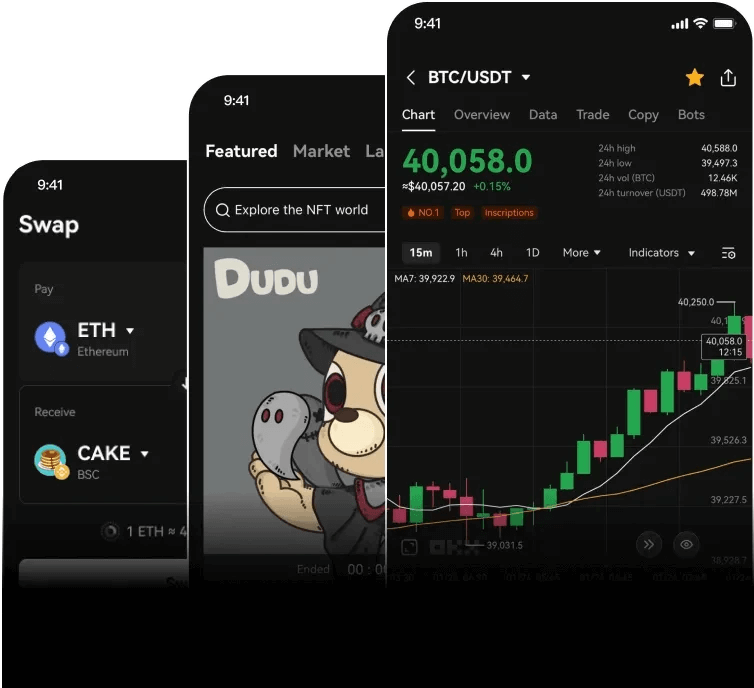
Once confirmed, log into your Binance account. Navigate to "Wallet" > "Spot Wallet". Locate the Satoshi token in your asset list. If it is not visible, use the search bar or click "Hide Small Balances" to uncover it. Click "Withdraw." You will be asked to enter a withdrawal address, network, and amount. It is critical to copy the exact deposit address from your external wallet—never type it manually to avoid errors.
Choose a compatible wallet. Hardware wallets like Ledger or Trezor are ideal for long-term storage. Software wallets like MetaMask or Trust Wallet also work, but ensure they support the token’s blockchain. For example, if the token is on BNB Chain, your wallet must be configured to that network. Test with a small amount first—send a minimal transaction to verify the address and network function correctly before moving larger sums.
Set the network carefully. Binance will display multiple network options (e.g., BSC, ERC20, Polygon). Select the exact network your external wallet expects. Mismatching networks can lead to permanent loss of funds. Double-check by confirming the deposit network on your wallet’s "Receive" page.
After entering the address, network, and amount, review the withdrawal fee. Binance charges a fixed fee per network (e.g., 0.001 BNB for BSC transfers). The fee is deducted from your total withdrawal amount. Input your 2FA code (Google Authenticator or SMS) to authorize the transaction. Once submitted, Binance will show a transaction ID (TxID). Save this for tracking on the blockchain explorer.
Processing time varies. BNB Chain transactions typically confirm within seconds to a few minutes, while Ethereum ERC-20 transfers may take longer during congestion. You can monitor the status under "Wallet" > "Transaction History". If the transaction is stuck, wait—do not resend until you see a clear failure or timeout.
Important security warnings: Beware of phishing sites impersonating Binance. Always check the URL (binance.com). Never share your private keys or seed phrase with anyone. If a token claims to be "Satoshi Nakamoto’s official coin," treat it with skepticism—Satoshi himself has never released a personal token. Withdrawing such coins to a centralized exchange like Binance for fiat conversion is only possible if the token has genuine liquidity and trading pairs.
Finally, for long-term holders, consider moving the token to a decentralized exchange (DEX) if the project is not actively traded on Binance. But for withdrawal alone, the steps above are sufficient. Once your coins arrive in your personal wallet, you can hold, swap, or bridge them as needed. Always prioritize security over speed.

发表评论