
How to Use Exchanges That Support Binance Chain: A Step-by-Step Guide for Crypto Traders

Binance Chain, launched by the Binance exchange, is a blockchain platform designed for high-speed trading and decentralized application development. Unlike the Ethereum network, Binance Chain uses a consensus mechanism called Delegated Proof of Stake (DPoS) and supports native tokens like BNB. For traders and investors, understanding how to operate on exchanges that support Binance Chain is essential for seamless transactions, lower fees, and access to a wide range of digital assets.
First, it is important to identify which exchanges support Binance Chain. Major platforms include Binance itself, KuCoin, Huobi Global, Gate.io, and decentralized exchanges like PancakeSwap. These exchanges allow users to deposit, withdraw, and trade tokens that are built on the Binance Chain ecosystem, such as BEP-2 (original Binance Chain) and BEP-20 (Binance Smart Chain) tokens. To begin operating on these exchanges, you need to create an account and complete the necessary identity verification, known as Know Your Customer (KYC) procedures, which is standard for centralized platforms.
Once your account is set up, the next step is to fund your wallet. Navigate to the "Deposit" section of the exchange and select Binance Chain (or BSC for Binance Smart Chain). You will receive a deposit address, which typically starts with "bnb" or "0x" depending on whether you are using the original Binance Chain or the Smart Chain. Ensure that you copy the correct address and select the right network—sending BEP-2 tokens to a BEP-20 address can result in permanent loss of funds. Common assets for funding include BNB, USDT, and USDC, which are widely used for trading and paying network fees.
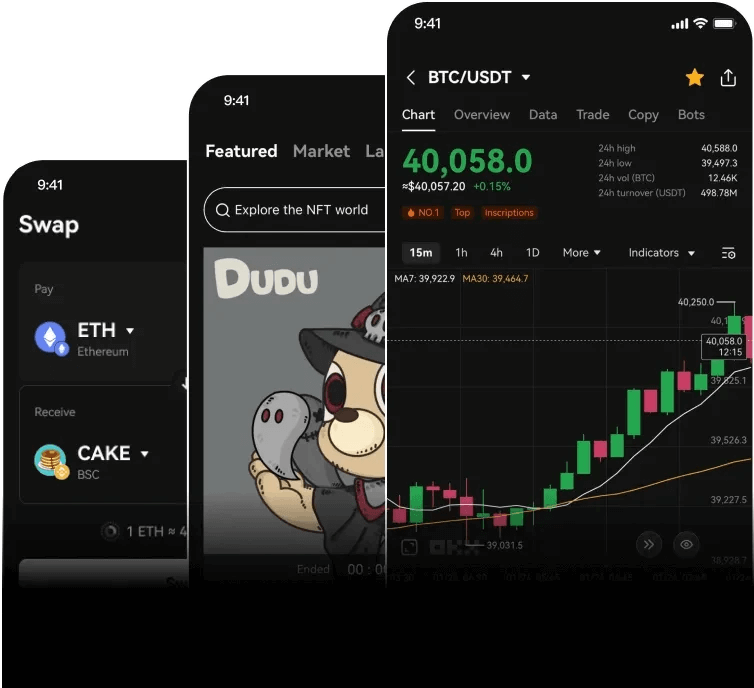
After depositing funds, you can proceed to trade. On the exchange’s trading interface, look for trading pairs that use Binance Chain tokens, such as BNB/USDT or CAKE/BNB. Most platforms offer both spot trading and margin trading options. When you place a trade, you can use market orders for immediate execution or limit orders to set your desired price. The transactions on Binance Chain are processed quickly—usually within seconds—and the fees are generally lower than on Ethereum, often costing just a few cents per transaction.
Withdrawing assets from the exchange is the final key operation. In the withdrawal section, choose the asset you want to transfer, and ensure you select the correct network: Binance Chain (BEP-2) or Binance Smart Chain (BEP-20). Some exchanges automatically detect the network based on the receiving address, but it is safer to manually confirm. For example, if you are transferring to a wallet like Trust Wallet or MetaMask, you must select BEP-20 if the wallet is configured for the Binance Smart Chain. Always double-check the address and network to avoid errors.
In summary, using exchanges that support Binance Chain involves account setup, careful selection of the correct network for deposits and withdrawals, and understanding the trading pairs available. The low fees and high speed of Binance Chain make it an attractive option for both new and experienced traders. By following these steps—funding your account, executing trades, and securely withdrawing assets—you can efficiently navigate the Binance Chain ecosystem and take advantage of its growing liquidity and diverse token offerings.

发表评论